Why Your Big-Box Shopping Trip Always Costs More Than You Planned
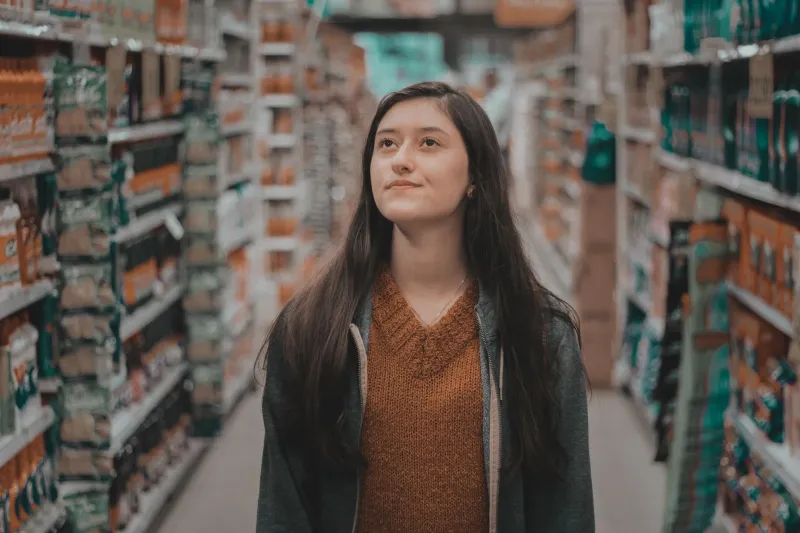
You walked in for three things. You walked out with fifteen. Sound familiar? If you've ever stood at a checkout line wondering how your cart got so full, you're not alone — and you're definitely not imagining things. The modern big-box store is an engineering marvel, and not entirely in your favor.
The Store Layout Isn't Random
Every aisle, every endcap, every strategically placed bin of discounted snacks near the entrance has been obsessively tested and refined. Retail designers call it "the decompression zone" — that wide, open area right when you walk in that slows your pace and resets your brain into browsing mode. Before you've even grabbed a cart, your guard is already down.
From there, the essentials — dairy, eggs, bread — are almost always pushed to the back of the store. That's not convenience. That's a calculated move to make sure you walk past hundreds of other products before you get to the thing you actually came for. According to research published in the Journal of Marketing Research, shoppers who walk longer paths through stores spend significantly more than those who go directly to their intended items. In some studies, the difference is as much as 40%.
And the music? The lighting? The way products are placed at eye level? All of it is tuned to keep you browsing longer and second-guessing yourself more.
Impulse Purchases Are Costing American Households Real Money
The numbers here are genuinely striking. A 2023 survey from Slickdeals found that the average American spends around $314 per month on impulse purchases — that's over $3,700 a year. Grocery and big-box retail stores account for a huge slice of that figure. We're not talking about the occasional candy bar at checkout. We're talking about the "two for $7" pasta sauce you didn't need, the seasonal item that seemed like a great deal, and the brand-name version of something you already have at home sitting in your pantry.
Decision fatigue plays a massive role here too. By the time you've navigated a 90,000-square-foot store and processed thousands of visual stimuli, your brain is genuinely tired. And tired brains default to easy, emotionally-driven choices — which is exactly what those colorful promotional tags and "limited time offer" stickers are banking on.
The Curated Shopping Difference
Here's where things get interesting. One of the quieter benefits of shopping through a curated, locally-focused marketplace — like what we do here at Stop & Shop JO — is that the browsing experience is intentional by design, not manipulative by design.
When a platform surfaces a smaller selection of trusted, locally-sourced products, you're not fighting through thousands of competing options. You're choosing from a thoughtful range of items that someone has already vetted. That shift alone reduces decision fatigue dramatically. You spend less mental energy, make fewer impulse grabs, and — perhaps most importantly — you tend to remember what you actually came for.
It's a bit like the difference between walking into a well-organized neighborhood market versus a warehouse store. One respects your time and attention. The other is specifically designed to stretch both.
The "Sale" Trap
Big-box stores have also mastered the art of the perceived deal. Buy-one-get-one offers, club card discounts, and bulk pricing all trigger a psychological phenomenon called "loss aversion" — the fear of missing out on savings feels more powerful than the rational knowledge that you didn't need the item in the first place.
Consider the math: buying three bottles of salad dressing because they're "on sale" only saves you money if you were going to buy three bottles anyway. Otherwise, you've spent more than you intended on something that may expire before you finish it. Food waste is, in fact, one of the hidden financial costs that rarely shows up in people's mental accounting. The USDA estimates that American households throw away between 30–40% of their food supply. A portion of that waste traces directly back to bulk impulse buying triggered by promotional pricing.
Shopping With Intention Actually Saves You Money
The antidote to all of this isn't willpower — it's structure. Shopping from a list, knowing exactly what's available before you start browsing, and choosing platforms that aren't designed to distract you are all practical ways to take back control of your grocery budget.
Local online markets tend to support this naturally. When you're ordering from a curated selection of regional products and producers, you're less likely to stumble into a promotional rabbit hole. You search for what you need, you find it, and you check out. The experience is built around your list, not around maximizing your cart size.
There's also something to be said for the relationship aspect. When you're buying from local producers and small-batch brands, you tend to be more thoughtful about what you're purchasing. You know where it comes from. You've made a conscious choice. That kind of intentional shopping is the opposite of the glazed-eye scroll through a big-box aisle.
The Bottom Line
Big-box stores are good at a lot of things, but being neutral environments that let you shop on your own terms isn't really one of them. The layouts, the promotions, the sheer volume of choice — it's all optimized to get more out of your wallet than you planned to spend.
That doesn't mean you need to swear off every warehouse store forever. But it does mean that building some of your regular shopping habits around more intentional, curated options is a genuinely smart financial move. Your grocery budget will thank you — and honestly, so will your pantry.