From Farm to Front Door: How Hyperlocal Online Markets Are Reshaping the American Grocery Experience
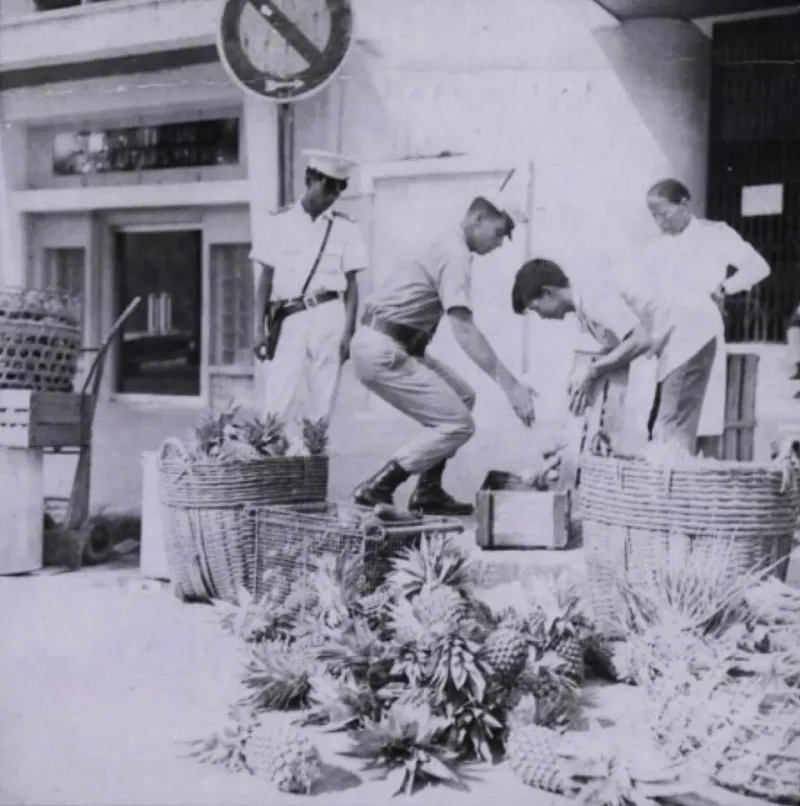
Photo: SSG Lyle V. Boggess, Public domain, via Wikimedia Commons
There's a good chance the tomatoes sitting in your refrigerator right now traveled over a thousand miles to get there. They were probably picked before they were ripe, packed into refrigerated trucks, processed through a regional distribution hub, and then stacked neatly on a supermarket shelf—all before you tossed them into your cart without a second thought. For decades, that's just how grocery shopping worked in America.
But something is shifting. Quietly, steadily, and with growing momentum, a new kind of marketplace is changing the game. Hyperlocal online platforms—the kind that connect you directly with farmers, artisan producers, and neighborhood vendors—are carving out serious market share from traditional grocery chains. And shoppers are noticing the difference.
The Numbers Don't Lie
According to data from the USDA and various agricultural research groups, local food sales in the United States have grown significantly over the past decade, with direct-to-consumer channels accelerating sharply after 2020. A survey conducted by the Food Marketing Institute found that nearly 60% of American consumers say they actively try to buy locally sourced products when given the option—a figure that was far lower just five years ago.
What's driving this? It's a combination of factors: pandemic-era supply chain disruptions that exposed the fragility of long-haul food networks, a growing awareness of environmental impact, and—perhaps most powerfully—a genuine hunger (pun intended) for food that actually tastes like something.
"Consumers are smarter now," says one supply chain analyst who has tracked retail food trends for over fifteen years. "They've seen what happens when a global event disrupts the standard distribution model. Local sourcing isn't just a feel-good choice anymore—it's a resilience strategy."
What 'Hyperlocal' Actually Means
The term gets thrown around a lot, so it's worth unpacking. A hyperlocal marketplace isn't just a platform that ships to your zip code. It's one that sources its inventory from producers within a defined regional radius—often within 150 to 250 miles—and prioritizes relationships with those vendors over volume-based contracts with massive agricultural conglomerates.
Think of it as the digital version of your Saturday farmers market, but open seven days a week and delivered to your doorstep. Platforms operating on this model—including Stop & Shop JO's own approach to curating regional and neighborhood-sourced goods—are betting that convenience and locality don't have to be in conflict.
And so far, that bet is paying off.
Why Fresh Actually Means Fresh
Here's a simple truth most grocery shoppers don't think about: the word "fresh" on a supermarket label is a legal term, not a culinary one. Produce can be labeled fresh even after weeks in cold storage and days in transit. By contrast, when you order through a hyperlocal delivery service, you're often getting produce that was harvested within 24 to 72 hours of delivery.
The difference in taste is noticeable. The difference in nutritional value is measurable. Studies published in the Journal of Agricultural and Food Chemistry have shown that many vitamins and antioxidants in vegetables begin degrading almost immediately after harvest, meaning a locally picked pepper can have significantly higher nutrient content than one that's been sitting in a distribution chain.
For health-conscious American shoppers—particularly younger millennials and Gen Z consumers who are increasingly food-literate—this matters.
The Trust Factor
One of the most underrated advantages of hyperlocal platforms is the transparency they offer. When you buy from a platform that sources from named, regional producers, you can often trace your food back to a specific farm or facility. That level of accountability is nearly impossible with conventional supermarket supply chains.
This transparency builds trust, and trust builds loyalty. Shoppers who feel connected to where their food comes from tend to become repeat customers—not just because the product is good, but because the relationship feels meaningful.
At Stop & Shop JO, this philosophy of connecting consumers with authentic, traceable sources is baked into the brand's DNA. Whether it's specialty items from local artisans or everyday staples from regional producers, knowing the story behind your groceries changes how you experience them.
The Logistics Challenge (And How It's Being Solved)
Fair to note: hyperlocal delivery isn't without its complications. Coordinating last-mile logistics for perishable goods across fragmented supplier networks is genuinely hard. Temperature control, delivery windows, and inventory unpredictability are all real challenges that large platforms have had years and billions of dollars to solve.
Smaller, regional platforms are catching up fast, though. Advances in route optimization software, partnerships with local courier networks, and smarter cold-chain packaging have dramatically improved the reliability of hyperlocal delivery over the past few years. The experience gap between ordering from a big national retailer and a neighborhood-focused platform is narrowing.
What This Means for American Shopping Culture
The rise of hyperlocal e-commerce is more than a retail trend—it's a cultural shift. Americans are increasingly asking not just "what am I buying?" but "where does it come from, who made it, and what does my purchase support?"
That's a fundamentally different kind of consumer consciousness, and it's pushing the entire grocery industry to adapt. Major chains are scrambling to add local vendor sections and regional sourcing badges to their apps. But for many shoppers, the authenticity of a platform that was built around local sourcing from day one carries more weight than a feature bolted onto a legacy system.
The farmers market isn't going anywhere. But its digital evolution—convenient, accessible, and rooted in community—might just be the future of how America eats.