Less Shelf Space, Better Decisions: The Surprising Science of Curated Grocery Shopping
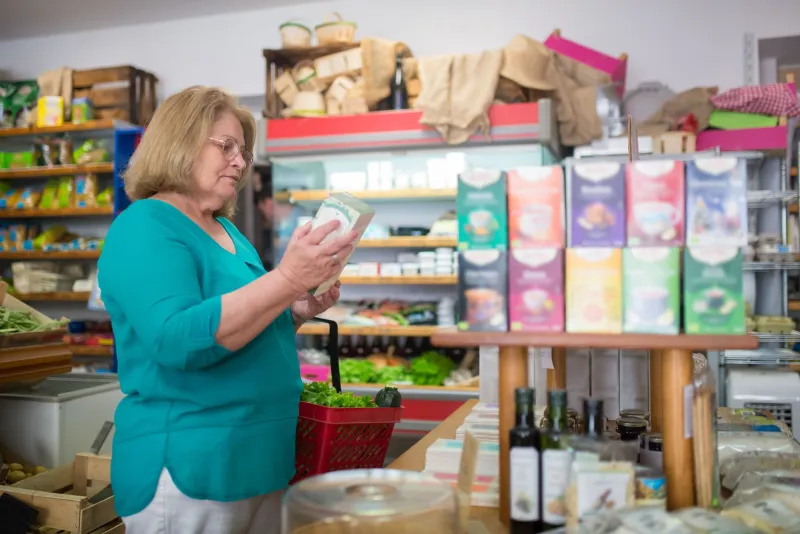
There's a moment every grocery shopper knows. You're standing in front of a wall of pasta sauce—maybe 60 different jars, all slightly different, all claiming to be the best—and instead of feeling empowered, you feel exhausted. You grab something familiar, toss it in the cart, and move on. Did you make a good choice? You have no idea. You just needed to keep moving.
This is decision fatigue in action, and the modern big-box grocery experience is practically engineered to trigger it.
Here's the counterintuitive truth that local and regional online markets have quietly proven: a smaller selection often produces better outcomes for shoppers. Not just emotionally, but practically. And once you understand why, it's hard to unsee.
The Psychology of Too Much Choice
Psychologist Barry Schwartz coined the term "the paradox of choice" back in 2004, and two decades later, it's more relevant than ever. His research showed that beyond a certain threshold, adding more options doesn't make people happier or more satisfied—it makes them more anxious, more prone to second-guessing, and ultimately less happy with whatever they choose.
Grocery stores are a perfect real-world laboratory for this effect. A typical Walmart Supercenter carries somewhere around 120,000 different items. A large Kroger might stock 50,000 or more. Compare that to a curated local online market, which might carry a few thousand items—hand-selected based on what regional suppliers actually produce well, what's in season, and what the local community actually buys.
The difference isn't just in volume. It's in cognitive load. When you browse a curated market, your brain isn't doing triage. It's actually evaluating. That's a meaningful distinction.
Curation Is a Form of Quality Control
Big national distributors work on scale. They need products that can survive long supply chains, sit in warehouses for weeks, and still look appealing on a shelf. That means a lot of what ends up in your cart has been optimized for durability and shelf appeal—not necessarily for flavor, nutrition, or quality.
Local and regional suppliers operate differently. When a small Jordan-based producer or a regional American artisan gets their products onto a platform like Stop & Shop JO, it's because someone made an active decision to include them. That decision usually involves tasting the product, vetting the source, and making a judgment call about whether it belongs.
What that means for you as a shopper: the items you see have already been filtered. You're not starting from zero. Someone who cares about quality has already done a first pass, and that changes the entire dynamic of browsing.
The "I Can't Find This Anywhere Else" Effect
One of the most underrated advantages of curated local markets is access to products that simply don't exist in national distribution channels. Regional suppliers—especially smaller ones—often can't afford the slotting fees, the logistics infrastructure, or the volume commitments that major grocery chains require. So they never show up on those shelves at all.
But on a platform built around local discovery? They thrive. And shoppers who find those products tend to feel something that's genuinely rare in modern retail: discovery. The sense that you found something, rather than just selected from a pre-approved list.
That feeling isn't trivial. It creates loyalty, it creates conversation, and it creates the kind of repeat purchasing that national brands spend millions trying to manufacture through advertising.
Fewer Options, More Intentional Carts
Here's something worth noticing the next time you shop a smaller, curated market: your cart looks different. Not just in what's in it, but in how it got there.
When you're not overwhelmed by options, you actually read labels. You think about what you're making for dinner. You consider whether you already have something similar at home. You make intentional decisions instead of reactive ones.
Shopping researchers have documented this pattern repeatedly. Smaller choice sets lead to higher purchase satisfaction, fewer returns, and less post-purchase regret. In grocery terms, that translates to less food waste, more meals that actually get cooked, and a pantry that makes sense.
The "Good Enough" Trap at Big-Box Stores
There's a paradox buried in the big-box experience that most shoppers don't consciously recognize: the sheer volume of options often pushes people toward the safe, familiar choice rather than an adventurous or better one. When the stakes feel high—because there are 40 alternatives you didn't pick—you default to the brand you already know.
Curated markets flip this dynamic. When you're browsing a smaller selection, the unfamiliar product doesn't feel like a risk—it feels like a reasonable option. You're more likely to try the local hot sauce, the regional grain blend, or the imported spice mix because the mental overhead of "what if I'm making the wrong choice" is dramatically lower.
Less competition on the shelf, paradoxically, makes each individual product more visible and more likely to get a fair shot.
What This Means for How You Shop
If you've been treating big-box grocery runs as your default and wondering why you always seem to come home with too much of the wrong stuff, it might be worth experimenting with a more curated approach.
Browse a local online market with intention. Notice what's actually available—what's fresh, what's regional, what you've never tried before. Give yourself permission to choose from a shorter list. You might be surprised how much easier the decision feels, and how much better the outcome is.
Sometimes less really is more. Not as a consolation—but as a genuine upgrade.