Here Today, Gone in an Hour: The Real Reason Local Inventory Moves So Fast
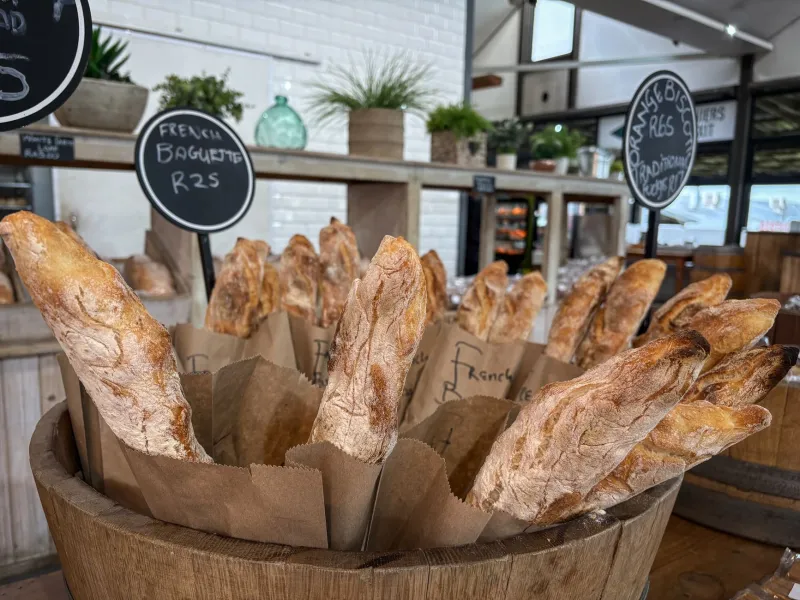
You spotted it. That sourdough from the small-batch bakery two towns over, or the seasonal fig jam that only shows up in the fall. You told yourself you'd grab it later. Then later came — and it was gone.
If you've shopped on a hyperlocal marketplace like Stop & Shop JO, this probably sounds familiar. And no, it's not a glitch. It's actually a feature of how local supply chains work — even if it doesn't always feel that way when you're staring at an "out of stock" notice.
Let's break down what's actually happening behind the scenes, and more importantly, how you can stop missing out.
Why Small-Batch Products Disappear So Quickly
Here's the core difference between a national grocery chain and a regional marketplace: volume. A big-box retailer can order 10,000 units of the same granola bar from a factory in another state and restock within 48 hours. A local artisan making that same granola in small batches might produce 200 bags per week — total.
When a product like that lands on a platform like Stop & Shop JO, it's not just available to one neighborhood. It's visible to everyone shopping the platform at once. That kind of exposure, which is genuinely great for local makers, also means inventory can evaporate in hours when demand spikes.
This isn't a flaw in the system. It's the natural result of connecting a passionate community of shoppers with producers who are still operating at a human scale.
Freshness Isn't Just a Marketing Word Here
Another factor that drives fast turnover? Freshness windows are real and they're tight. A national grocery chain can stock a loaf of bread with a three-week shelf life because it's been processed and preserved to last. A locally baked loaf made without additives might have a window of two or three days.
Local vendors on platforms like Stop & Shop JO often list products in sync with their actual production schedule. That means inventory goes live when the product is ready — not weeks in advance. Shoppers who are tuned into those rhythms get first access. Everyone else finds an empty shelf.
This is especially true for seasonal items. A local producer making pomegranate molasses from this year's harvest isn't going to have unlimited supply. When it's done, it's done until next season.
Community Demand Is Unpredictable (In the Best Way)
Here's something that surprises a lot of people: local shopping platforms often see demand spikes that nobody can fully predict. A product might sit at moderate inventory levels for days, then get mentioned in a community group or picked up by a food blogger, and suddenly it's gone in 90 minutes.
Word of mouth still travels fast, and in tight-knit communities — whether that's a neighborhood, a city, or a regional diaspora — a single recommendation can clear a shelf. National chains absorb this kind of surge without blinking because they have massive buffer stock. Local vendors don't have that cushion, and they shouldn't have to.
The flip side? When a product sells out that fast, it's a genuine signal to the maker that their product has a real audience. That feedback loop is part of what makes local commerce so dynamic.
How to Never Miss Out Again
Okay, so inventory moves fast. What can you actually do about it? Quite a bit, it turns out.
Turn on notifications for your favorite vendors. Most local marketplace platforms let you follow specific sellers. When a vendor you love restocks, you'll hear about it before most people even know to look.
Shop earlier in the week. Vendors tend to restock after weekends, and Monday through Wednesday listings are often at their freshest and most complete. By Thursday and Friday, popular items are frequently gone.
Learn the restock patterns. This takes a little time, but it's worth it. If you notice that a particular baker always lists new inventory on Tuesday mornings, build that into your routine. It's the same logic as knowing when your favorite restaurant drops its weekly specials.
Use wishlists or saved carts strategically. If you see something you want but aren't ready to check out, save it — but don't wait too long. Treat that wishlist like a heads-up, not a reservation.
Communicate directly with vendors when you can. Many small producers genuinely appreciate hearing from customers. If you missed something and really want it, reaching out is often the best move. They might be able to set aside inventory for a future order or let you know when the next batch is coming.
The Upside of Unpredictability
It's easy to frame fast-moving inventory as a problem, but there's a real upside worth acknowledging. When you shop local, scarcity signals quality. Products sell out because people love them, not because a supply chain algorithm decided to underorder.
There's also something genuinely exciting about a marketplace where the selection shifts week to week based on what's in season, what producers are making, and what the community is hungry for. It keeps things interesting in a way that the same 30 SKUs at a national chain never really can.
At Stop & Shop JO, the goal has always been to connect shoppers with the real, living food economy around them. That economy doesn't run on infinite buffer stock and algorithmic precision. It runs on real people, real seasons, and real batches — and that's exactly what makes it worth showing up for, early and often.