Shop by the Season: A Year-Round Guide to Getting the Best Local Produce and Staples
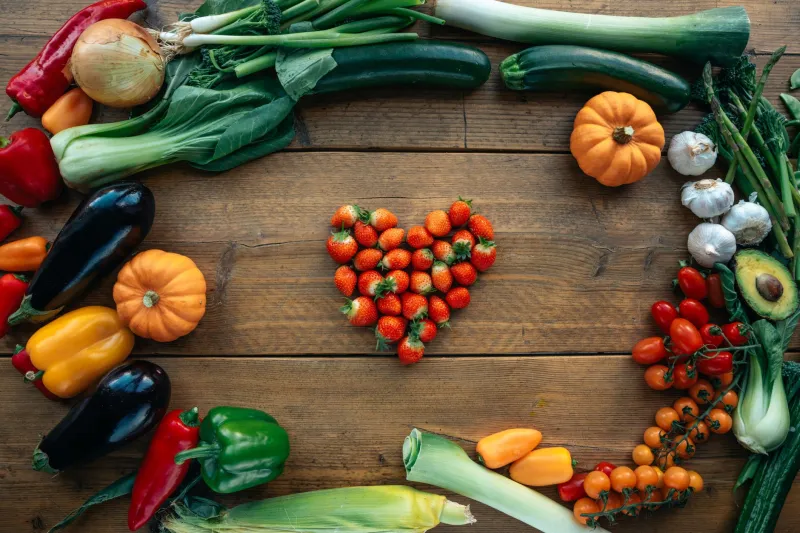
If you've ever bitten into a tomato in January and wondered why it tasted like slightly red water, you already understand the core argument for seasonal shopping. Produce that's harvested at peak ripeness, from nearby farms, and delivered quickly is a completely different eating experience than something that was picked green, shipped across the country, and gassed to ripeness in a warehouse.
But seasonal shopping is about more than taste. It's one of the most reliable ways to reduce your grocery bill, minimize food waste, and build a kitchen that's stocked with things you'll actually use. Here's how to think about it, month by month.
Why Seasonal Buying Makes Financial Sense
Before we get into the specifics, it's worth understanding why seasonal produce is cheaper when it's in season — because it genuinely is, and by a meaningful margin.
When local farms have an abundance of a particular crop, supply goes up and price goes down. A pint of strawberries in late spring costs a fraction of what it costs in December, when they're being flown in from South America. The same logic applies to squash in the fall, greens in early spring, and stone fruits in midsummer.
Shopping through a local delivery platform that sources from regional producers amplifies this effect. Because the supply chain is shorter, the savings from peak-season abundance are passed through more directly to the consumer. You're not paying for the logistics of moving produce across the country during off-season months.
The flip side is equally useful: knowing when not to buy fresh. Off-season fresh produce is expensive, lower quality, and often less nutritious. That's when preserved goods — canned tomatoes, dried beans, frozen berries, pickled vegetables — become your best friend.
Spring: Lean and Green
Spring is when the local food system wakes back up, and the first arrivals are worth celebrating. Look for:
- Asparagus — one of the first fresh vegetables to appear, and dramatically better when local and fresh
- Spring peas — sweet, tender, and gone quickly; buy them while you can
- Radishes and early greens — arugula, spinach, and mixed lettuces thrive in cool spring temperatures
- Ramps and spring onions — if your local suppliers carry them, grab them; the season is short
- Fresh eggs — hens are more productive in spring, so local egg availability and quality both peak
Stock-up tip: Spring is also a good time to use up your winter pantry reserves. Clear out the last of your dried beans, canned goods, and preserved items before the fresh season hits full stride. You'll make room for new preserves and avoid waste.
Simple spring recipe: Toss fresh peas with mint, lemon zest, olive oil, and a pinch of salt. Serve alongside anything. It takes five minutes and tastes like the season itself.
Summer: Abundance Mode
Summer is the season of plenty, and the smartest shoppers treat it like a strategic opportunity. This is when to buy in bulk, preserve aggressively, and eat as much fresh produce as you can manage.
- Tomatoes — peak season tomatoes are incomparably better than anything else available year-round; buy extras and make sauce to freeze
- Zucchini and summer squash — inexpensive, versatile, and abundant
- Corn — local sweet corn has a short window; eat it fresh and freeze the rest
- Peaches, plums, and cherries — stone fruit season is brief; make jam, freeze slices, or simply eat as many as you can
- Cucumbers — perfect for quick pickling, which extends their usefulness well into fall
- Herbs — basil, dill, and cilantro are at their peak; dry or freeze what you can't use fresh
Stock-up tip: Summer is the time to invest in preservation. A few hours making tomato sauce, freezing corn, or quick-pickling cucumbers will pay dividends in January when fresh options are limited and expensive. Local delivery platforms that carry canning supplies, jars, and preserving salt can make this easy.
Simple summer recipe: Slice peak-season tomatoes, layer with fresh basil and good mozzarella, drizzle with olive oil, and finish with flaky salt. No cooking required. This is summer on a plate.
Fall: Root Down and Stock Up
Fall is the most strategically important season for a pantry-minded shopper. The harvest is at its most diverse, storage crops are coming in, and prices on a wide range of produce are at their lowest point before winter.
- Winter squash — butternut, acorn, delicata, and kabocha all store beautifully for months in a cool, dry place
- Apples and pears — local orchards produce an enormous variety; many keep well in the refrigerator for weeks
- Root vegetables — carrots, beets, turnips, and parsnips are cheap, nutritious, and long-lasting
- Dried beans and grains — fall is when new-crop legumes and grains come to market; stock up for winter
- Sweet potatoes — versatile, affordable, and store well
Stock-up tip: This is the time to buy in quantity for your pantry. A 10-pound bag of dried lentils from a local supplier, a case of apple cider from a regional orchard, or a bulk order of winter squash from a nearby farm are all investments that will carry you through the colder months at a fraction of the winter price.
Simple fall recipe: Roast cubed butternut squash with olive oil, smoked paprika, and garlic until caramelized. Add to grain bowls, soups, or pasta throughout the week.
Winter: Pantry Season
Winter is not the enemy of good eating — it's just a different kind of season. The key is shifting your mindset from fresh produce to preserved goods, root vegetables, and the pantry staples you stocked up on in warmer months.
- Citrus — this is actually peak season for citrus, and it's one of the few bright spots for fresh produce in winter
- Stored root vegetables and squash — your fall purchases are still paying off
- Dried legumes, grains, and pasta — winter is soup and stew season; lean into it
- Preserved goods — your summer canning projects, frozen herbs, and pickled vegetables earn their keep now
- Local dairy — cheese, butter, and yogurt from regional producers are available year-round and worth seeking out
Stock-up tip: Use winter to plan ahead. Look at what you ran out of from your summer and fall preserves, and make a note to stock more next season. Winter is also a good time to explore preserved specialty items — local honey, flavored salts, artisan condiments — that make great pantry additions and hold indefinitely.
Simple winter recipe: Simmer dried lentils with canned tomatoes (from your summer stock or a local producer), cumin, garlic, and vegetable broth until thick. Finish with a squeeze of lemon and a drizzle of good olive oil. Inexpensive, warming, and genuinely delicious.
Making It Work With a Local Delivery Platform
The practical challenge of seasonal shopping has always been staying informed about what's actually available right now, locally, without having to visit multiple stores or markets. This is where a neighborhood delivery platform earns its keep.
When local producers list their current inventory in real time, you can see at a glance what's in season, what's abundant, and what's running low. You can set up recurring deliveries of staples, add seasonal items as they come available, and adjust your shopping without leaving home.
The seasonal calendar isn't rigid — it shifts based on your region, the weather in a given year, and what your local producers are growing. The best approach is to stay curious, stay flexible, and let the availability guide your cooking rather than the other way around.
Eat what's there. Preserve what's extra. Plan for what's coming. That's the whole system, and it works.